Introducing Bellu Continuous
A more connected way to understand and defend modern infrastructure.
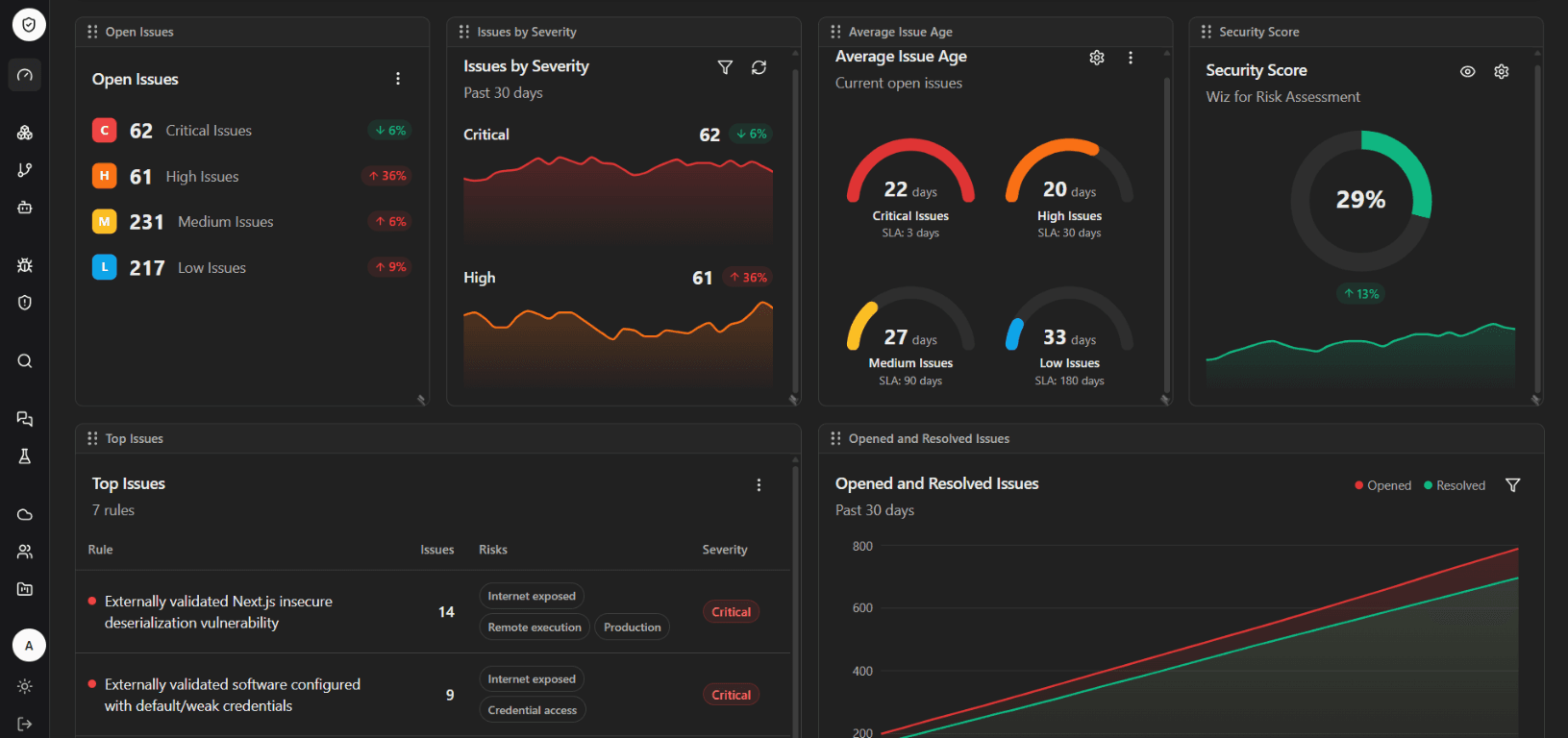
Software is changing faster, and the environments it runs in are becoming more interconnected. A single application may depend on cloud services, machine identities, open-source packages, deployment pipelines, and AI agents. When a vulnerability or suspicious change appears, understanding whether it matters requires seeing how those parts relate.
Security tools often present findings as separate alerts. Teams then have to assemble the surrounding context themselves: which asset is affected, what can reach it, which identity can access it, and what the likely impact might be. We are building Bellu Continuous to help connect that investigation. It brings infrastructure context, AI-assisted discovery, safe scenario testing, and remediation into one continuous security workflow.
Start with a model of the environment
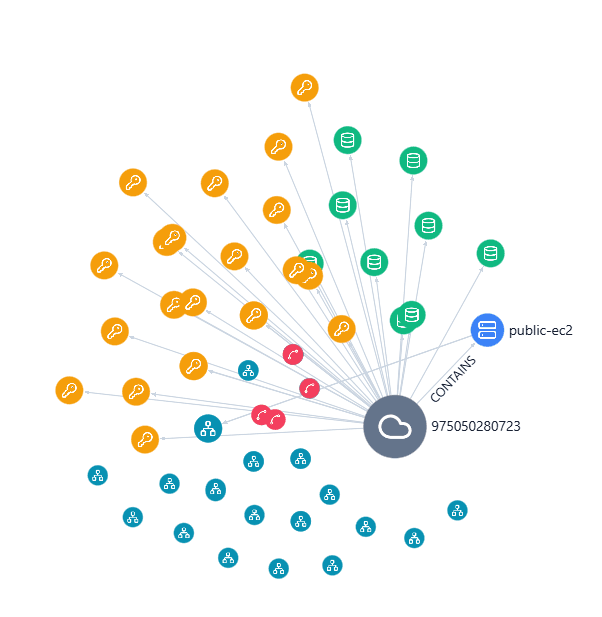
At the foundation is a living security graph. It maps code, cloud resources, identities, AI agents, dependencies, and runtime activity as connected entities rather than isolated inventory records. Relationships provide the context to follow an exposure across layers: from a code component, to a deployed service, to the identity or resource that service can reach.
That context changes the questions a security investigation can ask. Instead of only asking whether a vulnerability exists, a team can investigate where the affected component is running, what it connects to, and which paths could make the issue consequential. The graph is intended to help teams prioritize based on their own environment, not just on a finding in isolation.
Investigate continuously, with AI agents
On top of this shared context, specialized agents can help investigate vulnerabilities, suspicious activity, and possible attack paths. They can correlate evidence across signals and examine how findings connect to the infrastructure around them. The goal is to help security teams move from an alert to a clearer account of what happened and what may be affected.
This is not a claim that an agent can understand every system or safely make every decision on its own. Security work requires evidence, clear boundaries, and human judgment. Bellu Continuous is being built to make investigation more continuous and context-rich, while keeping the reasoning and resulting actions open to review.
Test changes away from production
Understanding a risk is only part of the job. A proposed change can close one exposure and create another. Bellu Continuous includes an infrastructure digital twin: a model of relevant environment state where teams can simulate attack scenarios, assess exposure, and evaluate proposed changes without experimenting on live systems.
In practice, that gives teams a safer place to ask “what if?” before acting. They can examine how a scenario might unfold, consider the impact of a change, and use the results to make a more informed decision about production.
Make remediation verifiable
When a response is warranted, the platform is designed to support evidence-backed code and infrastructure patches. Those patches can then be checked through attack replay in an isolated environment. Replaying the relevant scenario helps teams verify that a proposed fix addresses the finding and check for regressions before release.
This creates a practical loop: use the graph to understand context, investigate a signal, test a response outside production, and validate the fix. Each step is intended to give defenders better information before they make a change that affects a live system.
Why continuous defense matters
The time between vulnerability disclosure and known exploitation has been shrinking. The timeline below, based on the product page’s CISA KEV and VulnCheck KEV framing, illustrates why a periodic review can leave important gaps. It is context for the problem we are working on—not a prediction of when a specific vulnerability will be exploited, or a promise that Bellu can prevent every zero-day.
From vulnerability disclosure to known exploitation
Time to first known-exploited listing by CVE publication year · CISA KEV + VulnCheck KEV
A first step toward systems that heal
Bellu Continuous is our first product and an early step toward infrastructure that can better understand its own security. Our longer-term direction is inspired in part by biological immune systems: continuously sensing change, recognizing what is unfamiliar, adapting defenses, and recovering when something goes wrong.
Translating that idea into software means more than automating response. Any change should be grounded in evidence, tested against the system it affects, and understandable to the people responsible for it. We believe that is how self-defense and self-healing can become useful engineering properties rather than opaque promises.
We are also exploring how these principles may apply to physical AI—robots and intelligent machines that interact with the real world. Those systems will need security and resilience across both their software and their physical behavior. Bellu Continuous is where we begin: connecting context and making defense a continuous process.
Learn more about the platform on the Bellu Continuous product page.